Source Electric Adjustable Coffee Grinder for Home, Commercial, Restaurant
Compare 20 electric adjustable coffee grinder models from verified Chinese suppliers. Buyers can evaluate flat wheel burr and blade types with varying capacities, power sources, and certifications like CE and RoHS for diverse kitchen applications.
Key considerations
Products List


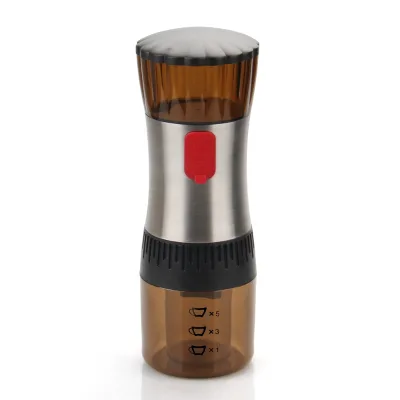


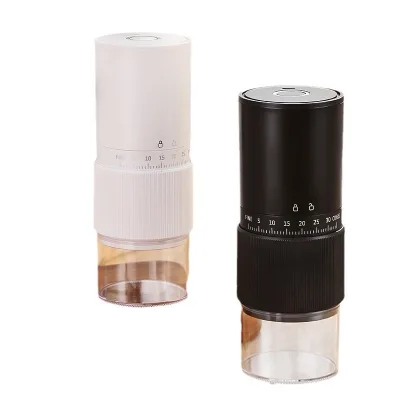
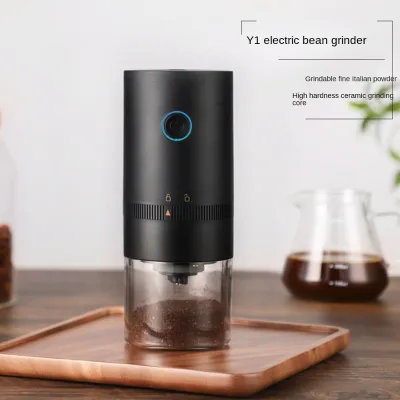
Comprehensive Sourcing Guide
Strategic Sourcing Guide for Electric Adjustable Coffee Grinders
The global demand for precision in coffee preparation has elevated the electric adjustable coffee grinder from a niche accessory to a critical component in both commercial and residential settings. For B2B procurement professionals, sourcing these devices requires a nuanced understanding of technical specifications, regulatory compliance, and supply chain dynamics. The market presents a diverse array of options, ranging from high-volume commercial flat-wheel burr systems to compact home-use blade models. This guide synthesizes observed market data to provide a disciplined framework for evaluating suppliers and selecting products that align with specific operational needs.
Technical Specifications and Grind Mechanism Analysis
The core differentiator in electric coffee grinders is the grinding mechanism, which directly impacts particle consistency, heat generation, and flavor extraction. The market data indicates a clear bifurcation between "Flat Wheel Burr Grinders" and "Blade Coffee Grinders." Flat wheel burr grinders, such as those identified with model designations like K 900N and AllRound A1, are engineered for precision. These units typically feature a burr diameter of 83mm and are constructed with aluminum or stainless steel housings. The operational metrics for these high-performance units include a motor speed of 1400rpm and a mill powder speed of approximately 5g/s.
A critical technical consideration for adjustable grinders is the grind speed adjustment capability. While some observed models feature "Unadjustable" grind speeds, the specific requirement for "electric adjustable coffee grinder" implies a need for variable settings. Buyers must verify if the specific unit offers a mechanism to alter the gap between burrs, as this determines the degree of grind from fine to coarse. Furthermore, the service life of the burrs is a vital longevity metric; observed data suggests a service life of 800kg for certain flat burr models, with a recommended weekly grind capacity of 6-8kg. This data point is essential for commercial buyers calculating total cost of ownership and replacement schedules.
In contrast, blade grinders, often marketed for home use with capacities of 5-10 cups, operate on a different principle. These units, such as the generic "Coffee Grinder" model, typically have a power consumption of less than 300W and utilize a 17*10 cm size profile. While they are generally less expensive, they lack the precision of burr systems and often do not offer adjustable grind settings in the same manner. The observed capacity for commercial-grade units ranges from 11-15 cups, indicating a higher throughput suitable for busy environments. When evaluating technical specifications, procurement teams must cross-reference the motor frequency (50Hz/60Hz) and voltage (220V) to ensure compatibility with local electrical infrastructure.
Compliance, Certification, and Safety Standards
Navigating the regulatory landscape is a non-negotiable aspect of B2B procurement, particularly for products that come into direct contact with food. The observed product data highlights several critical certifications that serve as proxies for quality and safety. The most frequently cited certifications include CE, CB, RoHS, LFGB, and FDA. The presence of CE and CB certifications indicates compliance with European safety and electromagnetic compatibility standards, which is often a prerequisite for exporting to the European market.
LFGB (German Food and Feed Code) and FDA (US Food and Drug Administration) certifications are particularly relevant for the materials used in the grinder's housing and grinding chamber. Since the observed materials include aluminum and stainless steel, verifying that these metals do not leach harmful substances is paramount. The "Power-off Protection" feature is another safety attribute that varies across models; some units explicitly list "Power-off Protection" as available, while others note its absence. For commercial applications where equipment operates for extended periods, this feature can prevent overheating and potential fire hazards.
Buyers must also scrutinize the "Standard" specifications provided by suppliers. Observed dimensions such as 400250590mm and 46.527.553.5cm represent physical footprints that must align with kitchen or counter space constraints. Additionally, the "Standard" of 100g observed in one context likely refers to a specific test weight or packaging standard rather than a physical dimension, requiring clarification from the supplier. When evaluating compliance, procurement teams should request valid certificates for CE, RoHS, LFGB, and FDA, ensuring they are current and issued by accredited bodies. Relying solely on a supplier's claim without documented proof poses a significant compliance risk.
Cost Drivers and Economic Factors
The pricing structure for electric coffee grinders is influenced by a complex interplay of factors, including material quality, motor power, and production volume. The observed listed price range in the market spans from $3.29 to $1,050 USD, reflecting the vast disparity between entry-level blade grinders and high-end commercial burr systems. This wide range underscores the importance of defining the specific use case before initiating a procurement process.
A primary cost driver is the material composition of the housing. Units with stainless steel housings generally command a higher price point compared to those with aluminum or plastic components, due to the durability and premium finish associated with stainless steel. Similarly, the complexity of the grinding mechanism plays a significant role. Flat wheel burr systems with precise adjustment capabilities and longer service lives (e.g., 800kg) are inherently more expensive to manufacture than simple blade assemblies.
The Minimum Order Quantity (MOQ) is another critical economic variable. The observed MOQ range spans from 1 to 3,000 units. For buyers seeking to test the market or fulfill small-scale orders, suppliers with low MOQs (e.g., 1 unit or 500 PCS) offer flexibility. However, larger commercial orders may benefit from suppliers with higher MOQs, which often correlate with reduced per-unit costs. The "Customized" attribute, including options for logo placement and color customization, also impacts pricing. Customization typically incurs additional tooling or setup fees, which must be factored into the total cost of ownership. Buyers should request detailed breakdowns of unit costs versus customization fees to ensure transparency in their budgeting.
Typical Applications and Usage Scenarios
Understanding the intended application is essential for matching the right product to the buyer's needs. The market data distinguishes clearly between "Commercial" and "Home" applications. Commercial-grade grinders, such as the Allround A1 and K 900N models, are designed for high-volume environments like coffee shops, restaurants, and hotels. These units feature robust construction, higher capacities (11-15 cups), and advanced features like "Quick Release" mechanisms for easy cleaning and maintenance. The "Recommended Weekly Grind" of 6-8kg for these models indicates their suitability for sustained, heavy usage.
Conversely, home-use grinders, often classified as blade grinders with capacities of 5-10 cups, are tailored for individual households or small offices. These units prioritize compactness and ease of use over high-volume throughput. The "Applicable Spices" attribute, noting compatibility with coffee and spices, suggests versatility, but the "Degree of Grind" for home models is often limited to "Fine Grind," which may not be sufficient for all brewing methods.
The "Occasion" attribute further refines the application scope, listing "Home, Restaurant, Kitchen" as potential use cases. For B2B buyers, this distinction is vital. A restaurant chain requiring consistency across multiple locations should prioritize commercial-grade burr grinders with adjustable settings and power-off protection. In contrast, a boutique hotel might opt for a hybrid approach, using commercial units in the main café and home-grade units in guest rooms. The "Feature" of being "Sustainable" or "Stocked" also influences decision-making, particularly for buyers with corporate social responsibility goals or urgent delivery requirements.
Supplier Evaluation and Quality Control Protocols
Selecting a reliable supplier is as important as selecting the product itself. The observed data indicates that the "prod_origin" is consistently listed as "China," with specific mentions of "Ningbo, China" as a manufacturing hub. While this provides a geographical baseline, it does not guarantee quality. Buyers must evaluate suppliers based on their ability to meet specific technical and compliance requirements.
Quality control (QC) protocols should be a central part of the supplier evaluation process. Buyers should inquire about the supplier's internal testing procedures, particularly regarding motor durability, burr alignment, and electrical safety. The "prod_packing" specifications, such as "Expandable Polystyrene +5 Layers Outer Box" or "Carton, Color Box, Display Box, Pallet," offer insights into the supplier's attention to detail during shipping. Robust packaging is essential to prevent damage during transit, especially for delicate components like burrs and motors.
When evaluating suppliers, procurement teams should verify the "Custom" capabilities, such as logo printing and color acceptance. The ability to customize products often indicates a mature manufacturing process and a willingness to collaborate with buyers. However, buyers must ensure that customization does not compromise the structural integrity or safety of the product. Additionally, the "Feature" of being "Stocked" suggests that the supplier maintains inventory, which can reduce lead times. However, buyers should confirm the actual availability of specific models to avoid delays.
Long-Term Procurement and Operational Considerations
Sourcing electric coffee grinders is not a one-time transaction but an ongoing relationship that requires long-term planning. The "Burr Service Life" of 800kg is a critical metric for long-term cost analysis. Buyers should calculate the total cost of ownership by factoring in the frequency of burr replacement and the associated downtime. For high-volume commercial operations, the cost of downtime can far exceed the cost of the grinder itself, making durability a top priority.
The "Power Source" and "Voltage" compatibility must be verified against the buyer's local infrastructure. The observed voltage of 220V and motor frequency of 50Hz/60Hz require careful matching to ensure safe and efficient operation. Mismatched voltage can lead to equipment failure or safety hazards. Furthermore, the "Grind Speed Adjustment" capability, or lack thereof, affects the versatility of the equipment. For buyers anticipating changes in coffee bean types or brewing methods, adjustable grinders offer greater flexibility.
Finally, buyers should consider the "Application" scope when planning for future growth. If a business plans to expand from home use to commercial operations, investing in a scalable solution early can prevent the need for costly replacements later. The "Type" of grinder, whether flat wheel burr or blade, should align with the long-term strategic goals of the organization. By focusing on these long-term considerations, buyers can build a resilient supply chain that supports their operational needs for years to come.
Comparative Analysis of Key Product Attributes
To facilitate informed decision-making, the following table summarizes the key attributes observed in the market data, highlighting the differences between commercial and home-grade units.
| Attribute | Commercial Grade (e.g., Allround A1, K 900N) | Home Grade (e.g., Blade Coffee Grinder) |
|---|---|---|
| Type | Flat Wheel Burr Grinders | Blade Coffee Grinders |
| Housing Material | Aluminum, Stainless Steel | Stainless Steel, Metal |
| Capacity | 11-15 Cups | 5-10 Cups |
| Power | Higher (implied by 1400rpm) | Less than 300W |
| Adjustability | Adjustable (implied by model specs) | Unadjustable |
| Certifications | CE, CB, RoHS, LFGB, FDA | CE, RoHS, LFGB, FDA |
| Service Life | 800kg (Burr) | Not specified |
| Application | Commercial, Restaurant | Home, Kitchen |
| MOQ Range | 1-3000 (varies by supplier) | 500 PCS (observed) |
This comparison underscores the necessity of aligning product specifications with the intended operational environment. By carefully analyzing these attributes, buyers can make data-driven decisions that optimize performance, compliance, and cost efficiency in their procurement of electric adjustable coffee grinders.
FAQs
What certifications are available for electric adjustable coffee grinders?
Available certifications include CE, CB, RoHS, LFGB, and FDA. These ensure compliance with safety and food contact standards, with specific models offering combinations like CE and RoHS or LFGB and FDA depending on the manufacturer.
Which motor specifications apply to commercial flat wheel burr grinders?
Commercial flat wheel burr grinders typically feature a motor speed of 1400rpm and operate at 50Hz or 60Hz frequencies. These units often have a voltage of 220V and a recommended weekly grind capacity of 6-8kg for sustained performance.
Can buyers customize the logo and color of electric coffee grinders?
Yes, customization for logos and colors is available for many models. Buyers can request specific color options and logo placement, though this may involve additional setup fees and requires a minimum order quantity to be feasible.
What is the service life of the burrs in flat wheel grinders?
The burr service life for certain flat wheel models is rated at 800kg. This metric helps buyers calculate long-term replacement costs and ensures the equipment can handle the recommended weekly grind volume of 6-8kg.
How does power-off protection vary across different grinder models?
Power-off protection availability varies by model, with some units offering this safety feature while others do not. Commercial applications often benefit from units with power-off protection to prevent overheating during extended operation periods.
What packaging options are used for shipping electric coffee grinders?
Packaging options include expandable polystyrene with five-layer outer boxes or standard cartons with color and display boxes. These robust packaging methods ensure the protection of delicate components like burrs and motors during international transit.
Which materials are used for the housing of electric coffee grinders?
Housing materials typically include aluminum and stainless steel. Stainless steel models often command higher prices due to durability, while aluminum units provide a lightweight alternative suitable for various commercial and home applications.